
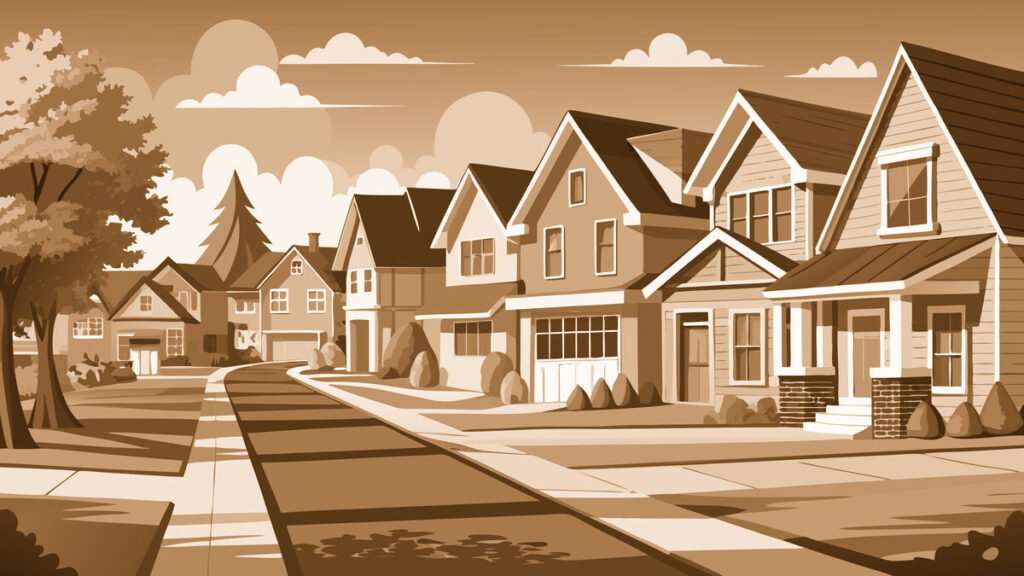
Nestled gently in the rolling hills just east of historic downtown San Juan Capistrano, the Cobblestone neighborhood is a quiet enclave both shaped by and contributing to this city's rich tapestry of stories. With its distinctive homes, tree-lined streets, and sense of community spirit, Cobblestone stands as a testament to careful planning and a love for local heritage. Let’s take a stroll through the origins, milestones, and special places that make Cobblestone a neighborhood unlike any other.
Origins: From Ranchlands to Residential Charm
Long before Cobblestone’s welcoming cul-de-sacs and peaceful parks took shape, this parcel of San Juan Capistrano was part of vast ranchlands stretching from Ortega Highway down to the shimmering banks of San Juan Creek. In the early 20th century, these rolling hills formed part of the Verdugo and Forster family holdings—names that echo throughout Orange County’s history.
The story of Cobblestone begins in earnest in the early 1980s. As San Juan Capistrano grew, city leaders faced the challenge of development without sacrificing charm or the natural beauty that set the area apart. The Cobblestone tract, situated just off Via Cuartel and bounded by Calle Arroyo and Rancho Viejo Road, was designed to pay homage to San Juan Capistrano’s historic roots while offering modern amenities for new families.
How Cobblestone Got Its Name
Few neighborhood names capture the imagination quite like Cobblestone. The inspiration harks back to San Juan Capistrano’s Spanish Colonial past: the original builders and planners sought to evoke the ambiance of the old mission’s cobbled courtyards and walkways. The streets—many of which such as Camino Rubi and Calle Diamante are lined with pavers and flagstone—offer a nod to those early days when every stone was laid by hand and every road told a story.
Stonework and rustic architectural details define many Cobblestone homes, further grounding the community in its chosen theme. The development’s entry monuments feature actual cobblestones salvaged from historic roads in the area, a tactile piece of local history for all who pass by.
Key Historical Milestones
- 1983: Ground is broken on the first Cobblestone homes. Spearheaded by local developers with input from the city’s preservation commission, construction emphasizes low profiles, earth-tone facades, and lush landscape buffers.
- 1986: Cobblestone Park opens, providing a green heart for the neighborhood. Featuring mature sycamores and a children’s playground, the park quickly becomes a gathering place for community events and weekend picnics.
- 1990s: The establishment of the Cobblestone Homeowners Association helps to foster neighborhood pride, organize annual block parties, and support small historic preservation projects.
- 2010s: In line with San Juan Capistrano’s broader sustainability initiatives, Cobblestone upgrades to drought-tolerant landscaping throughout public spaces, blending beauty with stewardship of the local environment.
Notable Landmarks and Places
Cobblestone may be a newer addition compared to the centuries-old Mission San Juan Capistrano, but the neighborhood boasts its own landmarks:
- Cobblestone Park: The true hub of local life, where summer concerts, holiday celebrations, and outdoor yoga sessions bring neighbors together.
- Entry Arch on Via Cuartel & Calle Diamante: The unique entryway, adorned with salvaged cobblestone and hand-forged ironwork, sets the tone for the neighborhood’s commitment to historical echoes.
- San Juan Creek Trail Access: Residents enjoy direct access to the trail via a path near Calle Arroyo, providing scenic walks or bike rides to Dana Point Harbor or the heart of downtown San Juan Capistrano.
Within a few minutes’ drive, the historic Los Rios District—with its lovingly preserved adobes—and the majestic Mission bells remind everyone that every part of San Juan Capistrano, Cobblestone included, is connected by a shared story.
Evolving with the Times
Cobblestone has gracefully adapted to changing times while preserving its welcoming, heritage-inspired character. As new families, retirees, and professionals have moved in, the sense of community has only grown stronger.
- Schools and Education: Reputed public schools such as Harold Ambuehl Elementary and St. Margaret’s Episcopal School, just a short drive away, draw families seeking academic quality along with neighborhood charm.
- Community Spirit: From the annual “Stones & Stories” neighborhood history night to evening strolls along Calle Amor, neighbors here nurture a culture of friendliness and stewardship.
- Preservation Meets Progress: Many Cobblestone homeowners have undertaken thoughtful renovations—restoring wood accents, maintaining lush yards, and even volunteering with the San Juan Capistrano Historical Society.
What Makes Cobblestone Special
Above all, Cobblestone is loved for its unique blend of old and new, tradition and progress. Here, the architectural vernacular pays homage to the past, even as every park bench or gathering spot is an invitation to make new memories. Residents speak with pride about the chorus of songbirds at sunrise, the soft evening glow over rolling hills, and the genuine care that neighbors show for one another.
If you stroll down Via Del Mar or watch children play under the oaks in Cobblestone Park, you can sense the neighborhood’s enduring spirit—the continuation of San Juan Capistrano’s story, stone by stone.
Whether you’re a lifelong resident or a newcomer, the Cobblestone neighborhood is a living bridge between yesterday’s traditions and tomorrow’s promise: rooted in history, ready for the future, and always, unmistakably, home.